Write one sentence about the audience
Begin with who would use the proposed object and in what setting. A desk accessory for people who play together is a different starting point from a plush intended for a quiet display. Avoid describing the audience only as everyone who likes anime. One clear use situation helps both sides discuss whether a character, symbol or setting contributes something meaningful rather than merely occupying an available surface.
Describe the object before its decoration
State the proposed product category, approximate physical role and practical constraints you already know. If it is an existing product platform, identify it without implying that its maker has agreed to participate. An arcade controller, plush and small figure can be useful references for object types, but the commercial products linked to this article are not announced SANJIESAN collaborations. Put inspiration and confirmed project assets in separate fields.
Choose a creative direction to discuss
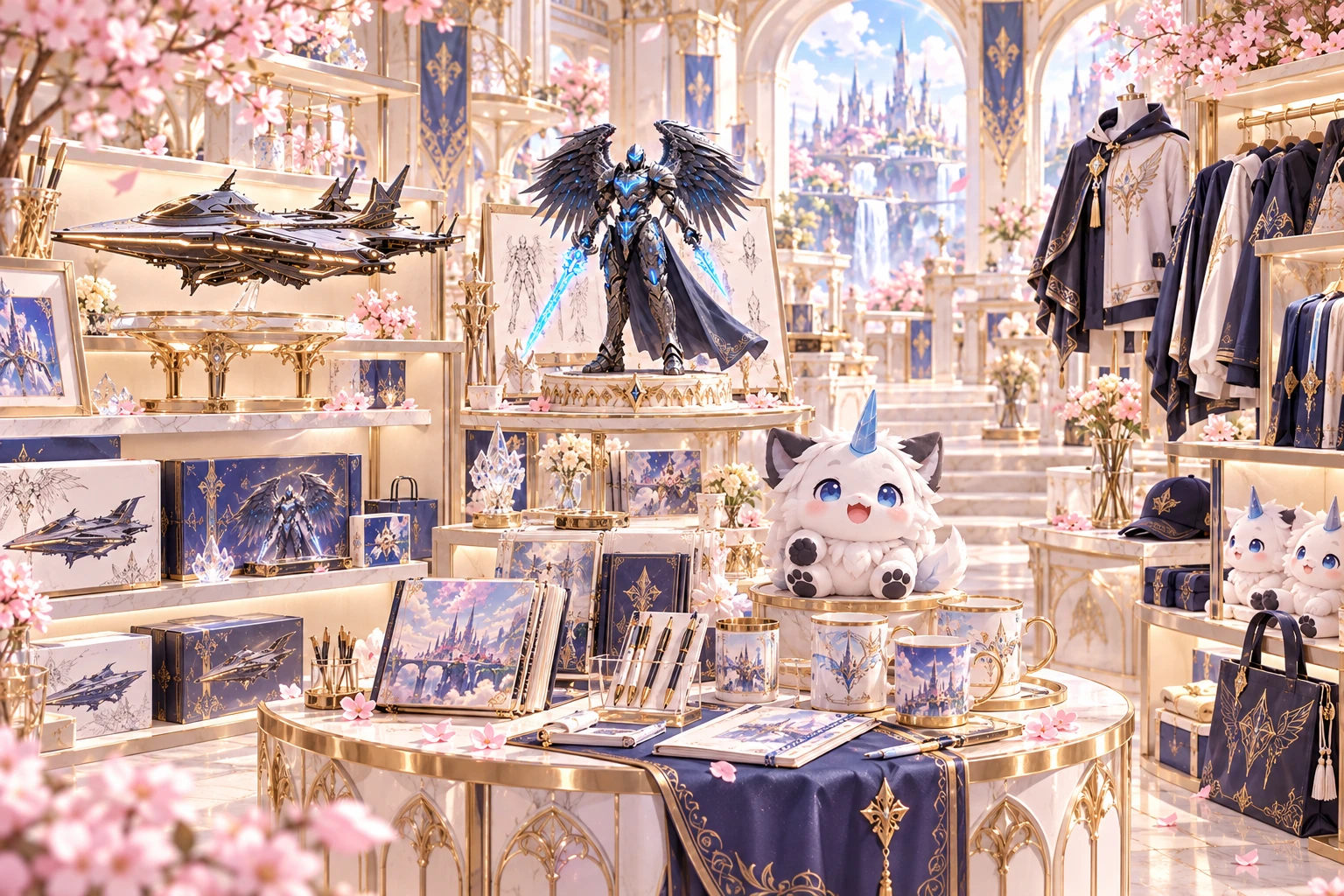
SANJIESAN's brand page offers character, icon and world directions across several product areas. Use that material to describe what attracts you: a character's role, a symbol's shape or the atmosphere of a setting. Explain why it suits the proposed use. A small, legible reference board with honest captions is more useful at this stage than a finished-looking product image that leaves its status unclear.
Make permissions an open work item
WIPO distinguishes a rights owner's authorization from the mere availability of a work online. In the brief, list the intended uses you want to discuss and the permissions you have actually confirmed, if any. Ask who should review the project and what materials may be shared during development. Specific licensing terms need the relevant rights contact and appropriate professional advice; this starting brief is a conversation document, not an agreement.
Separate the target from the commitment
Record a desired launch window, possible channels and the information needed to assess feasibility. Label unknown quantities, production specifications, commercial terms and approvals as unknown. Do not add invented manufacturing capacity or a royalty projection to make the proposal appear complete. Assign a contact person and say which practical question you want answered first. It is easier to evaluate an honest constraint than an attractive number with no source.
Finish with a concrete next conversation
The first useful outcome might be choosing a product direction, identifying the correct rights contact or agreeing which information is missing. Keep concept images clearly labelled and avoid announcing a partnership while it is still an enquiry. Revise the one-page brief after each substantive answer. Its value comes from making the next decision possible, not from resembling a public campaign before the people involved have agreed on what they are making.
Sources & further reading
Editorial review date: