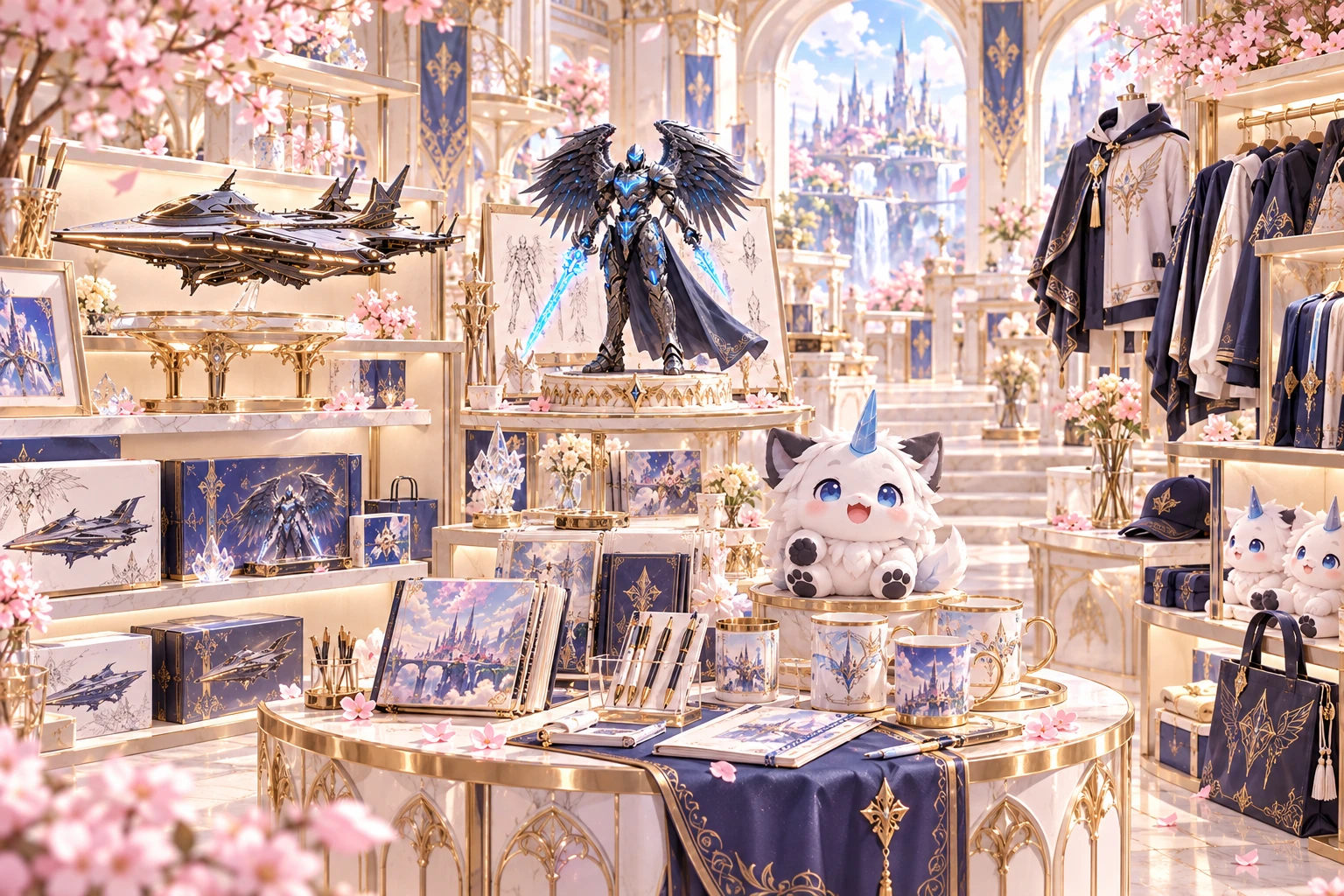
The image can belong to a different stage
A world illustration may introduce characters, mood and places. A product concept asks how part of that world might become an object. A photograph of an existing collectible records a named product from a separate maker. These images can share a page without sharing the same commercial status. The useful first question is what kind of material you are looking at, before asking where to buy it.
Read the words beside the artwork
SANJIESAN's brand page presents possible collaboration directions and invites a discussion about making products. That invitation is different from a completed production specification or an announced retail offer. Look for language such as concept, enquiry, product details or purchase status. If only a visual direction is available, treat it as a starting point for questions, not evidence that the illustrated object has already been manufactured.
Keep outside products in their own records
A Hatsune Miku figure or Kirby plush shown as a real product reference retains its own product name, maker and source page. Its presence beside SANJIESAN artwork does not demonstrate a joint collection. Keep those identities intact in a mood board or reading list. You can explain that you are comparing the role of a collectible with the role of world art without implying that the brands approved a shared design.
Reference is not a permissions document
WIPO describes a licence as an authorization from a rights owner and explains that making a work available online does not generally turn it into freely usable material. For a project, translate that distinction into a practical research field: what source identifies the work, and what permission, if any, has actually been confirmed? Keep unresolved permission questions visible and take specific uses to an appropriate qualified adviser or rights contact.
Give each image an honest caption
A clear caption can say original world illustration, proposed product direction, or existing product reference, followed by the relevant source. Do not call a concept a sample photograph or place an unconfirmed launch date beneath it. When preparing a collection proposal, maintain separate folders for approved project assets and outside references. Carry the caption into cropped slides as well, so an image does not lose its context when shared. That small editorial habit lets imagination stay expansive while the factual claims about products, authorship and collaboration stay precise.
Sources & further reading
Editorial review date: