Start by naming the question
A clean product image can answer what a design looks like. It cannot, by itself, answer which seller owns stock, what condition a particular box is in, or what will arrive at your address. Before studying a photograph, decide which of those questions you are asking. This prevents an attractive illustration from doing the work of a shipping promise or an inspection record.
Use the maker's page as a reference
Good Smile's Hatsune Miku 3.0 feature site identifies the named version and links to related products. Keep that official reference separate from a seller's offer. Save the exact product name and source address, then compare the advertised version against them. A familiar character name is too broad: related editions, bundles and accessory selections may appear close together in search results without being the same purchase.
Ask for evidence of the particular offer
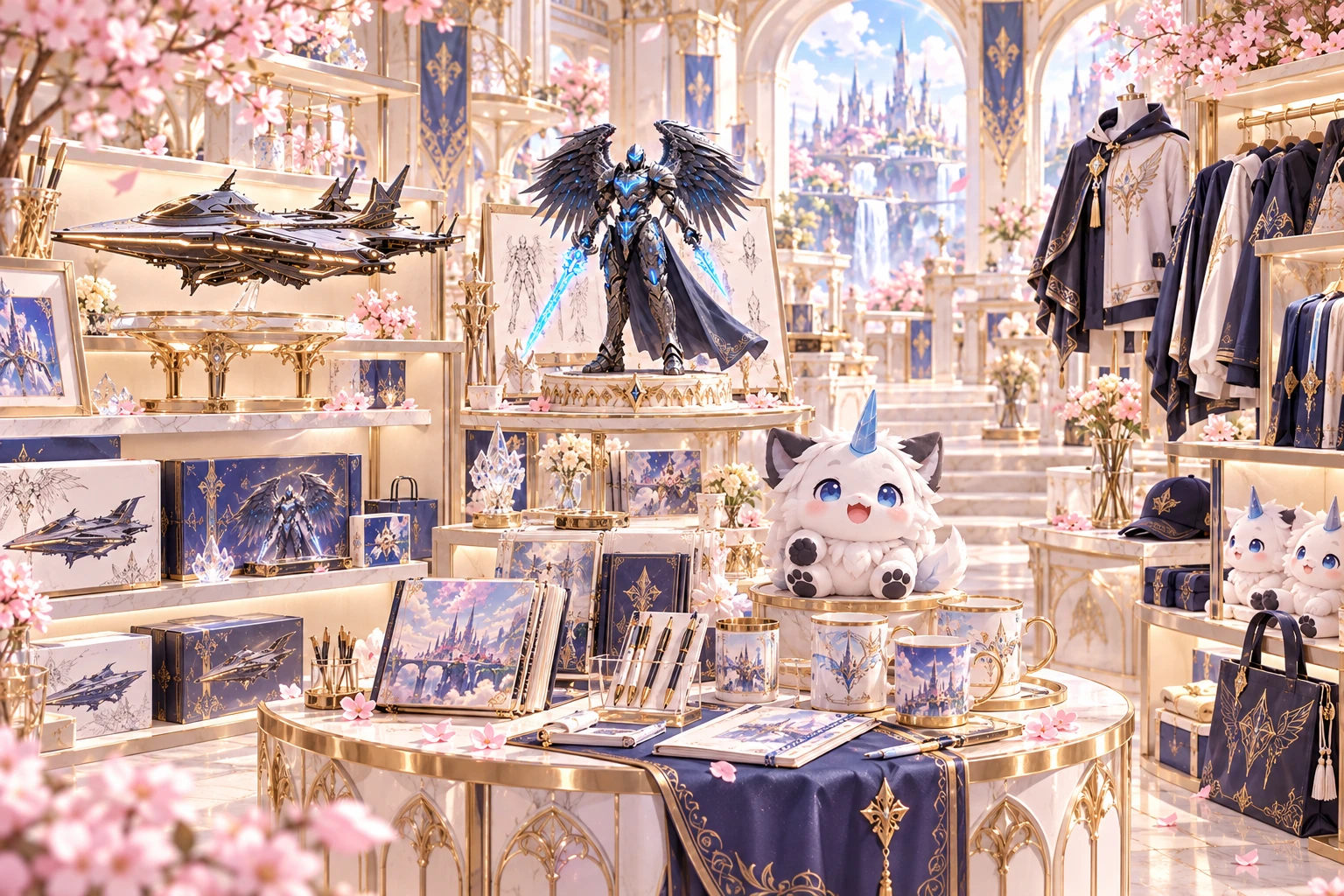
For an opened figure or collectible box, look for photographs that show the actual object, its contents and any described wear. eBay's seller guidance connects accurate descriptions with item photographs and consistent condition information. Turn that into a buyer's question: do the words and pictures describe one coherent item? If an accessory is mentioned but never visible, ask the seller to clarify rather than filling the gap with a manufacturer image. A styled scene may contain display furniture or background objects; being in the photograph does not establish that they are included.
Keep three image folders apart
An uncomplicated record has a reference folder, an offer folder and a received-item folder. Put official design images in the first, the dated listing and seller's answers in the second, and your own arrival photographs in the third. There is no need to publish private shipping labels. This arrangement also stops an official photograph from later being mistaken for a picture you took of your own collection.
Let uncertainty remain visible
Lighting, compression and camera angle can change the appearance of paint or packaging, so a single visual difference is a question to investigate, not a conclusive authenticity verdict. Read images alongside the named edition, written condition and missing-part disclosures. An editorial preview is useful for discovery; a purchase decision still needs an identifiable seller and a current, complete offer. If those pieces are absent, saving the idea for later is a finished decision, not a failed shopping session.
Sources & further reading
Editorial review date: