Start with the complete name
A character name identifies an interest; it does not identify a complete product. Before saving a Miku figure, write down the manufacturer, version and any bracketed edition wording. Treat those words as part of the item rather than decorative copy. This matters when two photographs look similar but the boxes are intended to provide different ways of displaying the same character.
Basic changes the planning question
Good Smile's Miku feature page distinguishes the standard 3.0 release from a Basic option, explaining that Basic leaves out additional face plates and optional parts. The useful question is therefore personal: do you want one chosen expression, or do you expect to change a scene regularly? Neither answer requires owning every version, and a lower-detail listing should never be used to fill gaps in an edition's contents.
Choose a scene before counting accessories
Imagine the figure in the place where you would actually see it: beside a monitor, in a closed display, or among other characters. Note your preferred expression and hand position, then check whether the exact edition supplies the parts that scene needs. A larger accessory collection has little practical value if you intend to leave everything in one pose. Conversely, a changeable display makes the contents list central to the decision.
Packaging is a separate piece of evidence
Good Smile announced and later cancelled a broader Nendoroid packaging change in 2024, with exceptions tied to production schedules. That history makes a simple rule useful: do not turn one box photograph into a universal rule about an entire range. Ask for the actual release details and contents when they matter. The notice is background information, not proof of which packaging a particular Miku seller will deliver.
Read the image and the list together
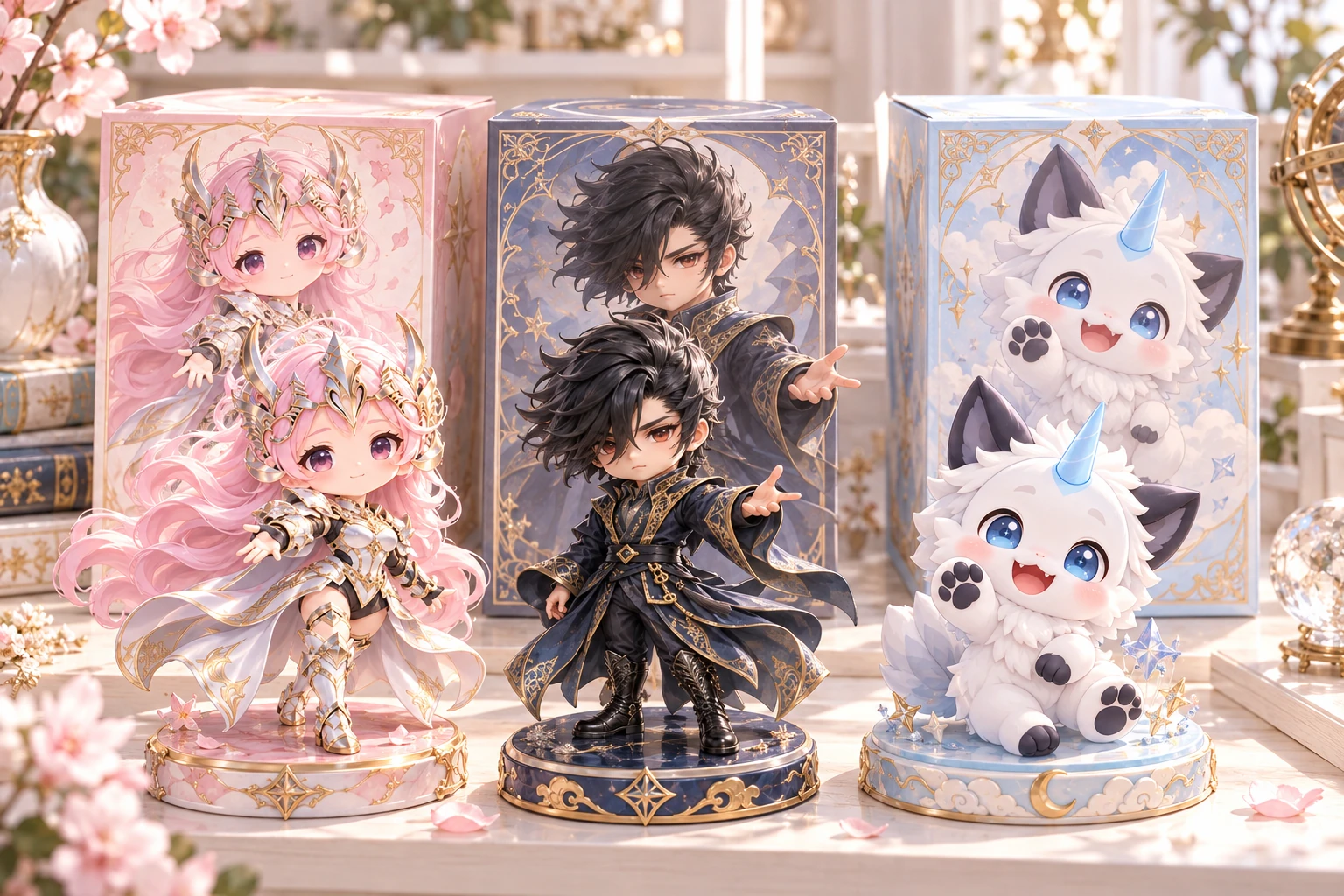
A product photograph helps you judge a silhouette and a possible arrangement. A written list helps establish what belongs to the offer. Keep those jobs distinct, particularly when a promotional image shows several characters together. A group composition is not an instruction to assume that each figure, background object or promotional extra is included in a single-character box. Save unanswered questions with the item instead of guessing.
A useful wishlist entry is specific
Record the edition you want, the scene you have in mind and one reason it suits your space. If those notes remain vague, keep exploring rather than expanding the plan. This is an editorial guide based on manufacturer information, not a hands-on assessment of joints, finish or durability.
Sources & further reading
Editorial review date: